
Protecting Structures from Hidden Wood Damage
Termite Control & Inspections in Tyler for properties where wood contact, soil exposure, and concealed access create conditions for undetected activity
ProPest provides termite control and inspection services in Tyler, Whitehouse, Troup, Bullard, Athens, Jacksonville, Flint, Canton, Quitman, and Palestine to address activity that develops where wood meets soil, moisture accumulates, and structural spaces remain hidden from view. East Texas humidity and standard residential construction combine to create conditions where termites can establish tunnels and feed on framing, subfloors, and trim without visible signs until damage reaches advanced stages. You need professional inspection when purchasing property, when you notice mud tubes on foundation walls, or when wood sounds hollow when tapped.
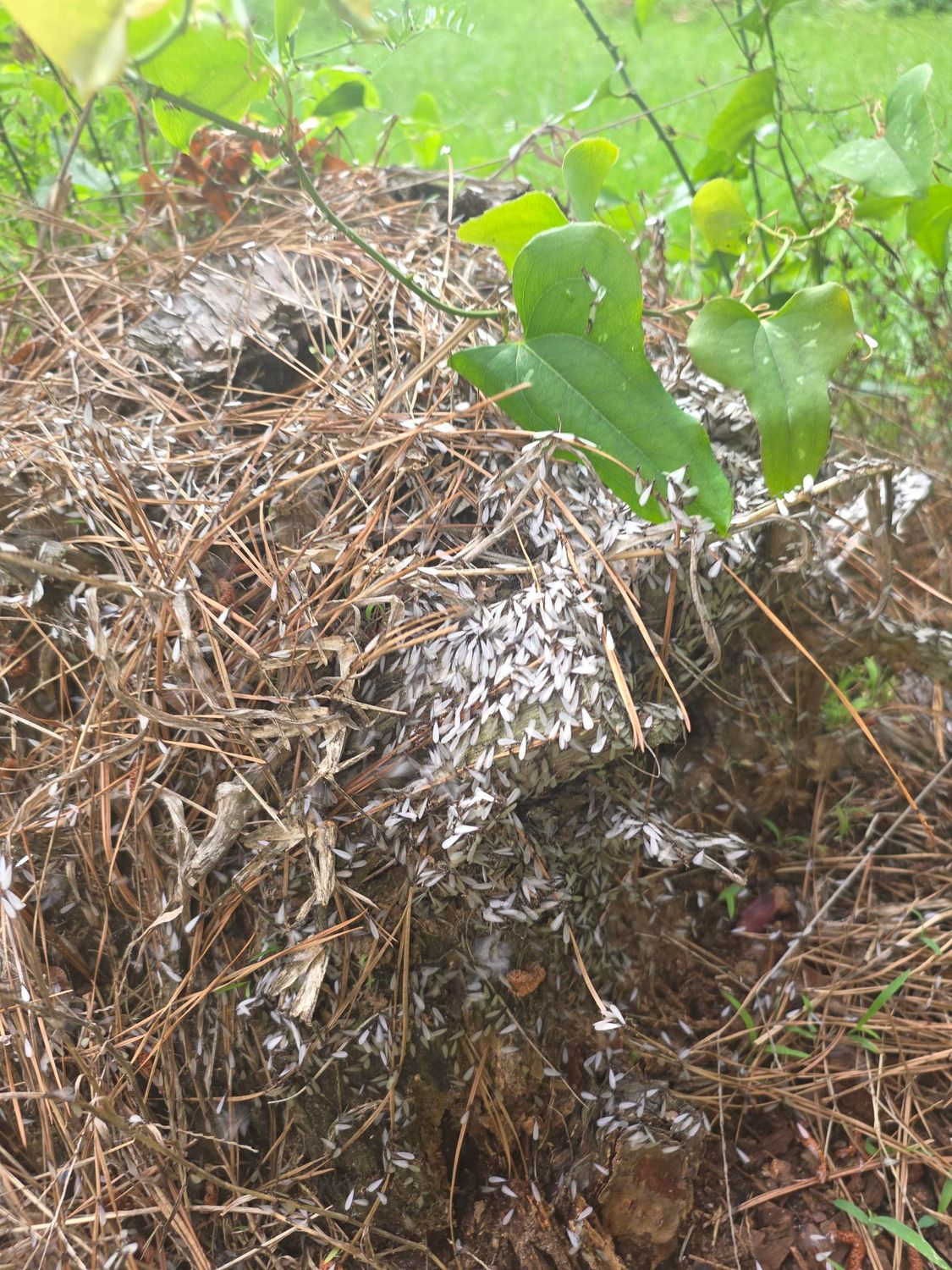
Termite control begins with identifying evidence of activity—mud shelter tubes on concrete, damaged wood with hollowed galleries, discarded wings near windows, or soil contact points where wood touches ground level. Treatment plans address active colonies through targeted application methods designed for the construction type, infestation extent, and soil conditions around the foundation perimeter and beneath slabs.
Schedule a termite inspection to document current conditions and determine whether treatment is warranted for your property.
What Professional Termite Service Addresses
Inspection covers accessible interior spaces, foundation walls, crawl spaces, attic framing, areas where plumbing penetrates slabs, and exterior perimeter zones where soil meets wood or stucco. The technician looks for active mud tubes, wood damage consistent with subterranean termite feeding patterns, moisture accumulation that attracts colonies, and structural contact points that allow concealed access from soil to wood members.
After treatment, you see elimination of live termites in affected areas, collapse of mud tubes once colonies are disrupted, and prevention of further wood consumption in treated zones. The goal is to stop feeding activity, protect structural integrity, and establish a treatment barrier that discourages recolonization near the foundation.
Treatment methods vary based on whether termites are active in soil around the perimeter, within wall voids, or beneath concrete slabs. The approach selected depends on construction type, access limitations, and the extent of established colonies. Monitoring and retreatment recommendations depend on findings during the initial inspection and the treatment method applied.
What Homeowners Ask About Termite Service
These questions address common concerns about termite inspection, treatment decisions, and protecting wood structures in East Texas properties.
What does a termite inspection involve?
The technician examines visible wood framing, foundation walls, crawl spaces, attic areas, plumbing penetrations, and exterior perimeter zones where soil contact or moisture accumulation creates termite entry points. Evidence includes mud tubes, damaged wood, discarded wings, or moisture conditions conducive to activity.
How does East Texas climate affect termite activity?
Warm temperatures and high humidity support year-round subterranean termite colonies, allowing continuous feeding cycles rather than dormant winter periods. Soil moisture levels and wood-to-ground contact increase the likelihood of infestation in residential construction.
What happens during termite treatment?
Application methods target active colonies and create barriers between soil and wood, using liquid treatments around foundation perimeters, beneath slabs where access permits, or within wall voids where activity is confirmed. The method depends on construction type and infestation location.
When should I schedule a termite inspection?
Inspect before purchasing a home, when you notice mud tubes on concrete surfaces, when wood sounds hollow or shows surface damage, when you find discarded wings indoors during spring, or as part of routine property maintenance in areas where termite pressure is common.
What does termite damage look like?
Damaged wood develops hollowed galleries along the grain, leaving a thin outer shell that collapses under pressure. Mud tubes appear as pencil-width soil tunnels on concrete, and discarded wings accumulate near windowsills after swarming events in spring months.
ProPest evaluates termite concerns through detailed inspection and develops treatment plans based on confirmed activity, construction access, and the location of colonies relative to structural wood. Request an inspection to determine whether treatment is necessary and what approach fits your property conditions.